




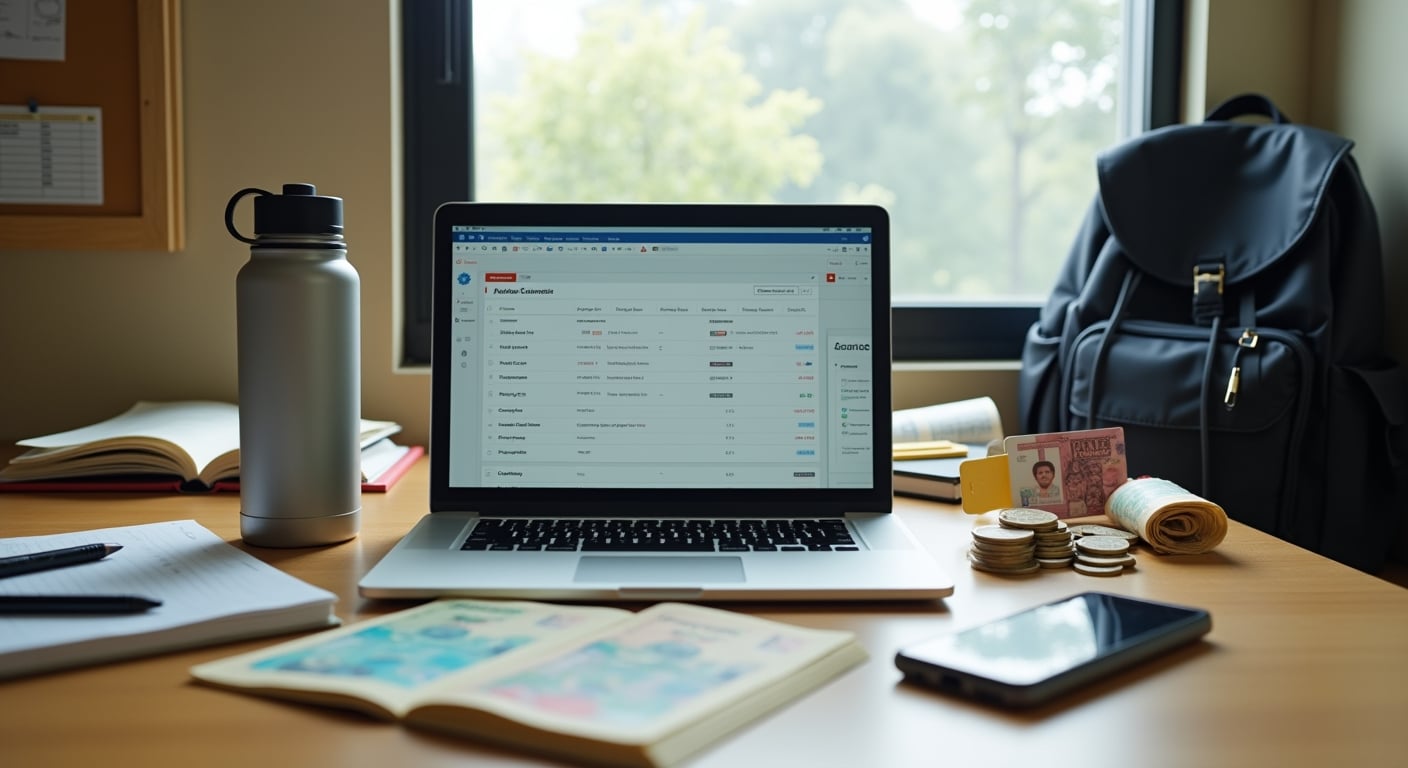
To save money as a university student in Malaysia, start with a simple budget, track your weekly spending, cut avoidable daily costs, and reduce major expenses such as rent, food, transport, and study materials. The goal is not to spend as little as possible, but to make your money last across the semester without affecting your studies.
If you are trying to improve your student life in Malaysia, saving money usually comes down to small decisions made consistently. A cheaper room that is far from campus may raise your transport costs. Daily food delivery may feel manageable, but it can quietly damage your monthly budget. Good financial habits help you stay in control before money becomes a source of stress.
Quick Answer: How Can University Students Save Money in Malaysia?
- Create a realistic monthly and weekly budget.
- Track all spending, including small daily purchases.
- Choose accommodation based on total living cost, not rent alone.
- Cook simple meals more often and limit food delivery.
- Use public transport and plan travel efficiently.
- Buy used textbooks or borrow from the library where possible.
- Make use of student discounts in Malaysia and free campus facilities.
- Set limits for shopping, subscriptions, and entertainment.
- Save a small amount regularly for emergencies.
- Consider part-time work only if it does not affect your studies.
Why Saving Money Matters at University
University expenses are not limited to tuition fees. Many students struggle more with recurring living costs such as rent, meals, transport, printing, mobile data, and social spending. When these costs are not planned properly, students may run short of money before the end of the month or semester.
Common student expenses that add up
The biggest student expenses in Malaysia often include:
- Accommodation and utilities
- Food and groceries
- Transport and fuel
- Academic materials and printing
- Phone bills and subscriptions
- Personal care and daily essentials
- Entertainment and outings
Even small repeated purchases matter. A drink, snack, ride-hailing trip, or convenience-store stop may seem minor on its own, but together they can take a large share of your monthly budget.
The difference between budgeting and cutting back too much
Saving money does not mean skipping meals, refusing all social activities, or buying the cheapest option every time. A good budget should still support your studies, health, and daily routine. The aim is to spend intentionally, not to make student life unnecessarily difficult.
Start with a Simple Student Budget
If you do not know where your money goes each month, it is hard to save. A budget gives structure to your spending and helps you decide what needs adjusting. For a more detailed framework, you can refer to this guide to building a monthly student budget in Malaysia.
Track your income and monthly expenses
Start by listing all the money you actually have access to each month. This may include:
- PTPTN or other education funding
- Allowance from parents or guardians
- Scholarship disbursements
- Part-time income
- Personal savings
Then write down your regular monthly expenses. Use your bank app, e-wallet history, or a spreadsheet. If you prefer something simple, a notes app is enough. The important thing is consistency.
Separate needs, wants, and irregular costs
A practical student budget should include three categories:
- Needs: rent, food, transport, phone bill, basic study materials
- Wants: cafés, entertainment, shopping, gaming, streaming subscriptions
- Irregular costs: society fees, replacement items, occasional travel, assignment printing, medical needs
Irregular costs are often forgotten. That is why some students overspend even when they think they are budgeting carefully.
Set a weekly spending limit
Many students find weekly targets easier than monthly ones. After covering fixed costs, divide your remaining spending money by four. This creates a weekly limit for food, daily transport, and other flexible expenses. If you overspend in one week, you can correct it quickly instead of discovering the problem at month end.
Save on Accommodation Costs
Accommodation is usually one of the largest student expenses, so small improvements here can make a big difference over time.
Choosing between on-campus and off-campus housing
On-campus accommodation may reduce commuting time and travel costs. It can also make daily routines easier, especially for students with early classes or long laboratory sessions. Off-campus housing may offer more flexibility or space, but total costs can be higher once you include transport, utilities, internet, and food access.
Instead of asking only which option is cheaper, ask which one gives the better overall value for your situation.
Sharing rent and utilities with housemates
If you live off campus, sharing a house or apartment can reduce rent and utility costs per person. Before agreeing, check how bills will be split and whether the arrangement is practical for study time, cleanliness, and safety. A lower rent is not worth constant disruption or unclear payment arrangements.
Looking beyond rent when comparing places to stay
Do not compare rooms by rent alone. Look at the total monthly cost, including:
- Electricity and water
- Internet
- Transport to campus
- Food options nearby
- Laundry costs
- Deposit requirements
- Time spent travelling
A room that costs more but is near campus may still help you save money overall.
Spend Less on Food Without Skipping Meals
Food spending is one of the easiest areas to improve because it involves daily choices. If you want a better sense of typical food costs for students in Malaysia, compare your spending patterns against your actual routine.
Cooking simple meals and meal prepping
You do not need to cook elaborate meals to save money. A few basic meals you can rotate through the week are often enough. Cooking in batches can also reduce the temptation to order delivery when you are tired or busy. Focus on convenience, not perfection.
Useful habits include:
- Keeping simple breakfast options ready
- Preparing lunch for class days
- Buying groceries with a list
- Choosing ingredients you can use in more than one meal
When eating on campus is cheaper
Cooking is not always the cheapest option if you lack storage, cooking equipment, or time. In some cases, campus cafeterias or nearby kopitiams may be more practical and affordable than frequent supermarket runs plus delivery fees. The best approach is to compare your usual spending, not assume one method is always cheaper.
Cutting down on delivery and impulse food spending
Food delivery is convenient, but delivery fees, service charges, and unplanned add-ons can increase your spending quickly. A good rule is to reserve delivery for specific situations rather than using it as the default. Keeping water, snacks, or a packed meal with you also helps reduce impulse spending between classes.
Reduce Transport Expenses
Transport costs depend a lot on where you live and how often you travel. If you commute regularly, review your current pattern using this guide to transportation for students in Malaysia.
Using public transport and student-friendly travel options
Where public transport is available, it is often more manageable than daily ride-hailing or driving, especially after fuel, tolls, parking, and maintenance are considered. Always check official transport operators for current passes, concessions, and route details before making assumptions about cost.
Living closer to campus to save time and money
Students sometimes choose accommodation with lower rent but end up paying more in transport and losing study time to commuting. If your timetable involves frequent travel to campus, living nearby may help you save both money and energy.
Planning trips to avoid unnecessary travel costs
Try grouping errands together rather than making separate trips for groceries, printing, and social plans. If you already know your weekly schedule, plan travel around class days to cut unnecessary journeys.
Lower Your Study and Academic Costs
Academic expenses are often smaller than rent or food, but they can still be reduced with better planning.
Buying used textbooks and learning materials
Before buying new books, check whether:
- The book is actually required
- An older edition is acceptable
- A senior is selling a used copy
- The material is available digitally
- You only need selected chapters instead of the full text
Do not rush to buy all materials in the first week unless your lecturer has confirmed they are necessary.
Using library, digital, and shared resources
University libraries, online journals, lecture slides, and class-sharing groups can reduce your spending on academic materials. Many students underuse resources that are already included in their university access. Check what your campus library offers before paying for books, software, or subscriptions.
Printing only when necessary
Printing costs may seem small, but they add up over a semester. Print only final versions, combine documents where possible, and use digital submission or note-taking when allowed. Before printing long readings, ask yourself whether you genuinely need a paper copy.
Use Student Discounts and Free Campus Resources
One of the easiest ways to save money is to use benefits you already qualify for.
Where students can commonly find discounts
Student discounts may be available for food outlets, transport, software, entertainment, learning tools, and selected retail purchases. The exact offers vary, so it helps to check current options in this guide to student discounts in Malaysia.
Before paying full price, check whether a student rate is available. This works best when done consistently, not occasionally.
Making the most of university facilities and events
Free or low-cost campus resources can reduce personal spending. Depending on your university, these may include study spaces, Wi-Fi, sports facilities, counselling support, clubs, workshops, career events, library materials, and student activities. Using campus facilities more often may reduce the need to spend outside.
Manage Your Daily Spending Better
Many students do not have one major money problem. They have many small spending habits that steadily drain their budget.
Avoiding small but frequent unnecessary purchases
Common daily spending leaks include:
- Buying drinks instead of carrying a bottle
- Frequent snacks between classes
- Ride-hailing for short distances
- Convenience-store top-ups
- Late-night impulse orders
You do not need to remove all of these. The goal is to notice patterns and reduce the ones that happen automatically.
Setting limits for shopping, entertainment, and subscriptions
Entertainment is part of student life, but it should fit your budget. Give yourself a realistic cap for shopping, outings, and online subscriptions. Review all recurring payments every month. If you barely use a service, cancel it.
Using e-wallets and banking apps carefully
E-wallets and contactless payment methods are convenient, but they can make spending feel less real. To avoid overspending:
- Turn on transaction notifications
- Check your balance regularly
- Use separate amounts for fixed and flexible spending
- Avoid topping up large sums without a plan
A budgeting app or bank spending category feature can also help you spot habits early.
Build Better Money Habits
Saving money at university is easier when it becomes routine instead of something you only try during a financial emergency.
Saving a small amount regularly
You do not need a large allowance to build savings. Even a small fixed amount set aside regularly can help. The habit matters more than the initial amount. Treat savings as part of your budget, not whatever happens to be left at the end.
Creating an emergency fund
An emergency fund can help with unexpected medical costs, urgent travel, device repairs, or other unplanned needs. Without one, students may need to borrow money or miss important payments. Keep this fund separate from your everyday spending if possible.
Avoiding debt and late payment charges
If you use postpaid services, instalments, or borrowed money, pay close attention to due dates. Late charges and avoidable debt make student finances harder to manage. If you already feel stretched, avoid taking on extra payment commitments for non-essential items.
Should Students Work Part-Time to Save More?
Part-time work can help some students, but it is not automatically the right answer for everyone.
When part-time work can help
A part-time job may be useful if your study schedule allows it and the income reduces genuine financial pressure. It can also help cover personal expenses so that your core budget is less dependent on borrowing or family support.
Balancing income with study commitments
If work affects attendance, sleep, assignments, or exam preparation, the trade-off may not be worth it. Before taking a job, consider travel time, shift flexibility, and peak academic periods. Your first responsibility as a student is still your course.
Common Money-Saving Mistakes Students Make
Focusing only on big expenses and ignoring daily leaks
Students often try to save money by negotiating rent or cutting one major expense, but ignore the smaller habits that happen every day. Long-term savings usually come from managing both.
Overspending at the start of the semester
New semester spending can get out of control quickly. Students may buy extra supplies, eat out more, join activities, or shop for a new routine before understanding their real budget. Try to delay non-essential spending until you have a clear picture of your semester needs.
Copying friends’ lifestyles without checking your budget
Your course, allowance, housing, and family support may not be the same as your friends’. A spending level that is manageable for someone else may not be sustainable for you. Financial discipline sometimes means saying no, or choosing a cheaper alternative without feeling embarrassed about it.
Practical Next Steps for Students Who Want to Save Money
What to do this week
- List your current income sources.
- Write down all fixed monthly costs.
- Review the last two weeks of spending.
- Identify three unnecessary expenses you can reduce immediately.
- Set a weekly spending limit.
- Plan your meals and transport for the coming week.
What to review every month
- Check whether your actual spending matched your budget.
- Review food, transport, and entertainment costs first.
- Remove subscriptions or habits you no longer need.
- Add a small amount to savings or your emergency fund.
- Adjust your budget for assignment-heavy or travel-heavy months.
If you are unsure where your budget is going, start with tracking rather than cutting. Once you know your patterns, saving becomes much easier.
Frequently Asked Questions
How much should a university student budget each month in Malaysia?
There is no single amount that suits every student. Your monthly budget depends on city, accommodation, lifestyle, transport needs, and whether food and utilities are shared. A realistic budget should cover essentials first, then allow controlled spending for personal and social needs.
What are the biggest expenses for students in Malaysia?
The main student expenses are usually accommodation, food, transport, study materials, phone bills, and daily personal spending. For many students, rent and food take the largest share of the budget.
Is it cheaper to live on campus or off campus in Malaysia?
It depends on the university and location. On-campus housing may lower transport costs and save time, while off-campus housing may offer more flexibility or shared rent options. Compare the total monthly cost, not just the rental amount.
How can students save money on food at university?
Students can save on food by cooking simple meals, meal prepping, buying groceries with a plan, and reducing delivery orders. In some cases, affordable campus meals may be more practical than cooking every day.
Are there student discounts in Malaysia that university students should use?
Yes, students may find discounts on food, transport, software, learning tools, entertainment, and selected retail services. Since offers change, it is worth checking current student promotions regularly instead of paying full price automatically.
Should university students take part-time jobs to manage expenses?
Part-time work can help if it fits around your academic schedule and does not affect your results or wellbeing. It is most useful when the extra income covers genuine needs rather than supporting avoidable overspending.
How can I save money if I am studying in Kuala Lumpur or another expensive city?
Focus on the biggest recurring costs first. Choose accommodation carefully, reduce ride-hailing, use public transport, control food delivery spending, and set a strict weekly budget. In more expensive cities, daily habits matter even more.
What is the best way to start budgeting as a new university student?
Start by tracking your actual spending for two to four weeks. Then separate fixed costs from flexible ones and set a weekly limit for daily expenses. A simple budget that you follow is better than a detailed one you ignore.