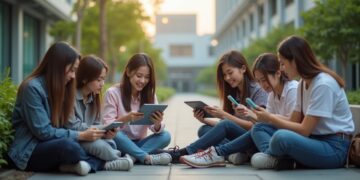




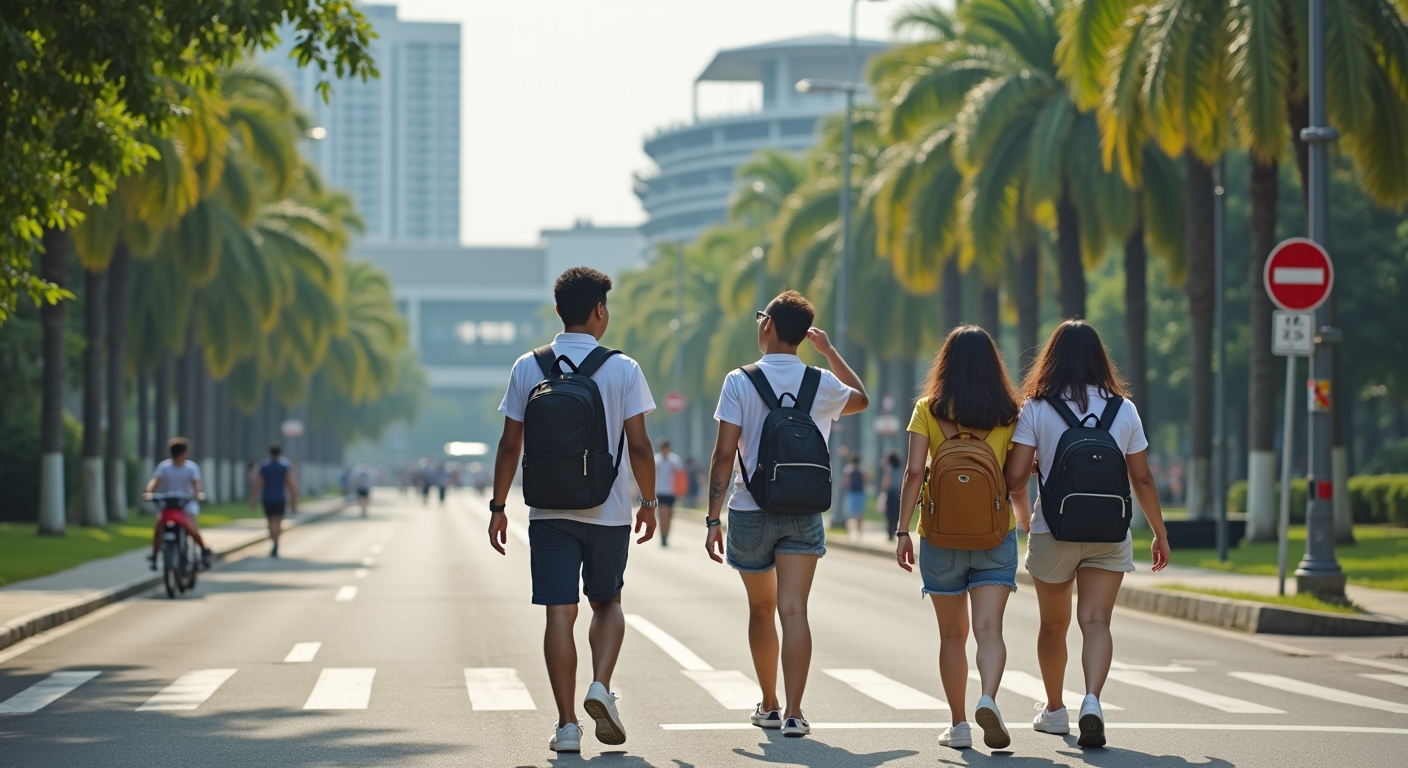
Student safety Malaysia is a top concern for students and parents, whether you are starting college in Kuala Lumpur, moving into a hostel in Johor, or commuting to campus in Penang. The good news is that Malaysia is generally a comfortable and student-friendly place to study. Still, like anywhere else, staying safe depends on smart daily habits, awareness of your surroundings, and knowing what to do in an emergency. This guide shares practical steps to help students feel more confident on campus, at home, online, and while travelling around Malaysia.
Is Malaysia safe for students?
Many parents and students ask, is Malaysia safe for students? In general, Malaysia is considered a relatively safe study destination, especially around established universities and college towns. Campuses usually have security teams, controlled entry points, and student support services. Public areas such as shopping malls, LRT and MRT stations, and busy town centres are also commonly used by local and international students every day.
However, safety can vary depending on location, time of day, transport choices, and personal behaviour. Petty theft, online scams, unsafe rides, and late-night risks are more common concerns than serious violent crime for most students. In other words, Malaysia can be safe for students when they stay alert and make sensible decisions.
If you are still preparing for student life here, this complete guide to studying in Malaysia is a useful starting point for understanding campus life, living arrangements, and daily expectations.
Choose safe accommodation and protect your living space
Where you stay has a big effect on your daily safety. Students living in university hostels may benefit from on-site wardens, visitor rules, and campus security. Those renting outside campus need to be more careful when checking the area and the property.
What to look for in student accommodation
- Good lighting at entrances, corridors, staircases, and parking areas
- Secure door locks, window grilles where suitable, and working access cards or keys
- Reasonable distance from campus or reliable transport links
- Nearby essentials such as convenience stores, clinics, banks, and police assistance
- A neighbourhood that stays active and well-lit in the evening
Before signing a rental agreement, visit the area during both the day and the evening if possible. A place that seems fine at 2 pm may feel very different after 10 pm.
For example, a student renting near a university in Kuala Lumpur may choose a condo with guarded entry and CCTV over a cheaper unit in a poorly lit back lane. The second option may save money, but the first often offers better peace of mind and safer daily access.
It also helps to understand your monthly budget before choosing where to stay. You can compare expenses with this guide to the cost of living for students in Malaysia.
Stay alert when using public transport and e-hailing
Transport safety is one of the most important malaysia student safety tips. Many students depend on buses, KTM, LRT, MRT, Grab, or walking short distances from stations to campus or home.
Transport safety habits that matter
- Share your live location or trip details with a family member or trusted friend when travelling alone at night
- Wait in well-lit, busy areas instead of isolated roadside spots
- Check the vehicle plate number before entering an e-hailing car
- Sit in the back seat when riding alone in a private vehicle
- Keep your phone and wallet secure, especially at crowded stations
- Avoid wearing both earphones at high volume while walking
If you are taking the last train or bus home, plan your route in advance. Know whether you will need to walk far from the station. If the final stretch is quiet or poorly lit, arrange a safer option. A short e-hailing ride from the station may be worth it.
Students should also avoid sleeping deeply on public transport, especially if carrying a laptop, tablet, or class notes. Bags should be zipped and carried in front in crowded places.
Be careful with your belongings in public spaces
Most student safety concerns in Malaysia involve lost or stolen items. Phones, laptops, student cards, and cash are attractive targets because students often use them openly in cafés, libraries, and public transport.
Some safe places for students Malaysia include campus libraries, student lounges, reputable cafés, and busy study spaces with staff present. Even in these places, do not leave your belongings unattended “for just a minute”.
Simple ways to reduce theft risk
- Use a bag that closes properly and keep valuables out of sight
- Do not place your phone openly on a table near walkways
- Back up important academic files to cloud storage
- Record the serial numbers of laptops and devices
- Carry only the cash you need for the day
- Keep emergency contacts saved on your phone and written down separately
A common student scenario is studying at a mamak or café with a laptop and phone on the table while stepping away to order food. That brief moment can be enough for a device to go missing. Ask a friend to watch your things or pack up and take them with you.
Avoid scams, fraud, and online safety risks
Digital safety is now part of student safety Malaysia. Students may be targeted by fake job offers, rental deposit scams, parcel scams, bank impersonation calls, romance scams, and phishing links on social media.
Warning signs of a scam
- Someone pressures you to transfer money immediately
- A rental listing looks unusually cheap for the area
- You are asked to pay a deposit before viewing a room
- A caller claims to be from a bank or authority and asks for TAC or password details
- A part-time job promises easy money with little explanation
Never share banking passwords, TAC numbers, or identity details with unverified contacts. If a message claims to be from your bank or university, check through the official app, website, or student affairs office instead of clicking random links.
Students applying for financial aid should also use trusted sources. For local opportunities, refer to this guide on scholarships in Malaysia for local students rather than relying on forwarded messages or unknown ads.
Know the safest habits on campus and after class
Campuses are usually among the safe places for students Malaysia, but students should still stay aware, especially after evening lectures, club activities, or library sessions.
On-campus safety tips
- Save campus security and hostel office numbers in your phone
- Walk with friends after dark instead of taking isolated shortcuts
- Use official campus shuttle services where available
- Let someone know if you are staying late for assignments or events
- Report broken lights, damaged locks, or suspicious behaviour quickly
There is a clear difference between walking through a bright main campus road with security patrols and using a quiet back path behind a building after 11 pm. The first option may take longer, but it is often the safer choice.
Students should also be careful during orientation, events, and festivals when campuses become crowded. Keep your student ID secure and avoid sharing too much personal information with people you just met.
Take care of your health and emergency preparedness
Personal safety is not only about crime. It also includes health, mental wellbeing, and knowing how to respond in an emergency. Malaysia’s weather, food habits, and transport patterns may be new to some students, especially those living away from home for the first time.
Emergency basics every student should know
- Know the nearest clinic, hospital, pharmacy, and police station
- Keep a small medical kit in your room or bag
- Store allergy and medication information on your phone
- Save emergency contacts, including parents, guardians, housemates, and lecturers if appropriate
- Learn the emergency exits in your hostel, apartment, or classroom buildings
It is also wise to stay hydrated and be cautious during haze periods, heavy rain, and flash floods, which can affect some areas in Malaysia. If weather conditions are poor, delay unnecessary travel and follow official updates from your institution or local authorities.
For students feeling stressed, isolated, or unsafe emotionally, reaching out early matters. Student affairs departments, counsellors, trusted lecturers, and family members can help before a situation becomes more serious.
Build smart social habits and trust your instincts
One of the best malaysia student safety tips is simple: trust your instincts. If a person, location, or situation feels wrong, leave early, call someone, or seek help. Students do not need to be rude to protect themselves.
This matters during social outings, house gatherings, and meeting new people. Let a trusted friend know where you are going. Avoid accepting drinks from strangers. Watch your drink being prepared. If you feel unwell unexpectedly, tell someone you trust and get to a safe place immediately.
Healthy boundaries help keep you safe
- Do not feel pressured to share your address or daily routine with people you barely know
- Meet new friends in public places first
- Travel in groups for late-night events where possible
- Set a check-in time with friends when going out
- Keep enough phone battery and mobile data for emergencies
Parents can support safety too by keeping communication open. Regular check-ins work better than constant pressure. Students are more likely to ask for help when they feel supported, not judged.
Frequently asked questions about student safety in Malaysia
1. Is Malaysia safe for students living away from home for the first time?
Yes, many students in Malaysia live away from home safely each year. The key is choosing secure accommodation, planning transport carefully, and staying aware of scams, theft risks, and late-night travel situations.
2. What are the safest places for students in Malaysia?
In general, campuses, university hostels, reputable libraries, busy malls, established cafés, and well-managed residential areas are among the safer places for students. Even so, students should still protect their belongings and avoid isolated areas at night.
3. What should students do in an emergency?
Call emergency services if needed, contact campus security or your hostel management, and inform a parent, guardian, or trusted friend immediately. It helps to save key numbers in advance and know the nearest clinic or hospital.
4. How can students avoid online scams in Malaysia?
Do not click suspicious links, do not transfer money without verification, and never share passwords, TAC codes, or banking details. Always verify offers, rental listings, and scholarship information through official sources.
Conclusion
Student safety Malaysia is not about being fearful. It is about being prepared, alert, and confident enough to make smart decisions every day. From choosing safer accommodation and transport to avoiding scams and protecting your health, small habits can make a big difference. Whether you are studying close to home or moving to a new city, staying informed is one of the best ways to enjoy student life in Malaysia more safely.