




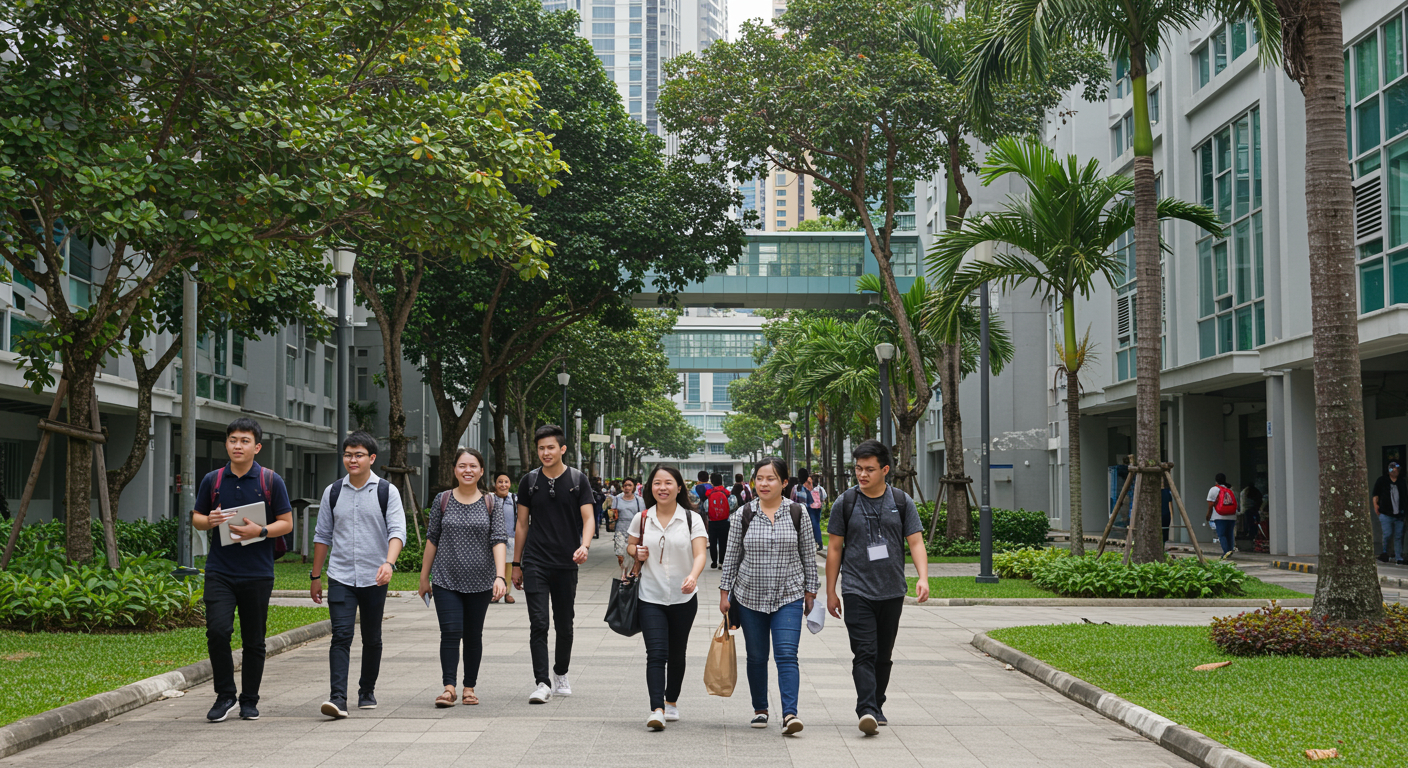
Malaysia has become one of Asia’s most popular destinations for higher education. Students from across the world choose the country because of its affordable tuition fees, internationally recognised universities, and multicultural environment.
For many students, studying in Malaysia offers a unique opportunity to receive quality education while enjoying a vibrant lifestyle and lower living costs compared to Western countries.
Malaysia’s higher education system includes public universities, private universities, international branch campuses, and specialised colleges. Students can pursue a wide range of programs including business, engineering, medicine, information technology, and creative arts.
This complete guide explains everything students need to know about studying in Malaysia, including universities, courses, tuition fees, admission requirements, student visas, and the overall student experience.
Why Choose Malaysia for Higher Education
Malaysia has gained global recognition as an international education hub. Every year, thousands of students travel to the country to pursue their academic goals.
Some key reasons why students choose Malaysia include:
- High-quality universities and internationally recognised degrees
- Affordable tuition fees compared to Western countries
- Multicultural and welcoming environment
- English widely used as the language of instruction
- Strong connections with global universities
Many Malaysian universities also partner with universities from the United Kingdom, Australia, and the United States, allowing students to obtain internationally recognised degrees. These partnerships provide opportunities for student exchange programs and global career pathways.
Types of Universities in Malaysia
Malaysia offers several types of higher education institutions that cater to different academic needs.
Public Universities
Public universities are funded by the government and are often considered among the most prestigious institutions in the country.
Examples include:
- Universiti Malaya
- Universiti Putra Malaysia
- Universiti Kebangsaan Malaysia
- Universiti Teknologi Malaysia
Public universities usually offer lower tuition fees but have competitive admission requirements.
Private Universities
Private universities provide modern facilities, flexible admission pathways, and strong industry connections.
Some well-known private universities include:
- Taylor’s University
- Sunway University
- UCSI University
- Multimedia University
These institutions often collaborate with international universities and offer globally recognised degrees.
International Branch Campuses
Malaysia hosts branch campuses of several international universities, allowing students to obtain foreign degrees at a lower cost.
Examples include:
- University of Nottingham Malaysia
- Monash University Malaysia
- Heriot-Watt University Malaysia
These universities follow academic standards similar to their home campuses.
Popular Courses to Study in Malaysia
Malaysian universities offer a wide range of academic programs designed to meet global industry demand.
Some of the most popular courses include:
- Business and Management
- Information Technology
- Engineering
- Medicine and Healthcare
- Accounting and Finance
- Hospitality and Tourism
Technology-related programs such as artificial intelligence, data science, and cybersecurity are becoming increasingly popular as digital industries continue to expand.
Tuition Fees for Studying in Malaysia
Tuition fees in Malaysia vary depending on the university and program.
On average, international students may pay between RM25,000 and RM60,000 per year depending on the course and institution. :contentReference[oaicite:0]{index=0}
Public universities usually offer lower tuition fees compared to private universities.
| Program | Estimated Annual Tuition |
|---|---|
| Business and Management | RM20,000 – RM40,000 |
| Engineering | RM25,000 – RM50,000 |
| Information Technology | RM20,000 – RM45,000 |
| Medicine | RM80,000 – RM150,000 |
The total cost of studying may vary depending on the university and course duration.
Cost of Living for Students
The cost of living in Malaysia is relatively affordable compared to many countries. Students can expect to spend between RM1,200 and RM2,500 per month depending on their lifestyle.
Living expenses may include:
- Accommodation
- Food
- Transportation
- Study materials
- Personal expenses
On average, international students may spend between 450 and 800 euros per month on living costs in Malaysia. :contentReference[oaicite:1]{index=1}
This affordability makes Malaysia an attractive destination for higher education.
Admission Requirements for Universities
Admission requirements vary depending on the level of study and the university.
Most universities require the following:
- Academic transcripts
- Secondary school or pre-university qualifications
- English language proficiency test
- Identification documents
International students generally need at least twelve years of prior education before enrolling in diploma or degree programs. :contentReference[oaicite:2]{index=2}
English language requirements often include IELTS or TOEFL test scores.
Student Visa Requirements
International students must obtain a student visa (known as a Student Pass) before studying in Malaysia.
The visa application usually requires:
- University offer letter
- Passport copy
- Medical examination report
- Proof of financial support
The visa application is typically processed through Education Malaysia Global Services.
Student Life in Malaysia
Student life in Malaysia is vibrant and culturally diverse. The country is home to people from many ethnic backgrounds including Malay, Chinese, Indian, and international communities.
Students can enjoy:
- diverse food culture
- modern shopping malls
- beautiful beaches and nature destinations
- active campus communities
- student clubs and societies
Malaysia is also known for its friendly people and safe environment for international students.
Part-Time Work Opportunities
Some students may choose to work part-time while studying to gain experience and support their living expenses.
Part-time work opportunities include:
- retail jobs
- restaurant work
- campus employment
- freelance digital work
International students may work limited hours depending on visa regulations.
Career Opportunities After Graduation
Graduates from Malaysian universities often pursue careers in industries such as:
- technology
- finance
- engineering
- healthcare
- marketing
Malaysia’s growing economy and digital transformation continue to create new opportunities for skilled graduates.
Conclusion
Studying in Malaysia offers students access to high-quality education, affordable living costs, and valuable international experiences.
With a wide range of universities, globally recognised programs, and diverse cultural experiences, Malaysia continues to attract students from around the world.
By carefully selecting the right university, program, and financial plan, students can build a successful academic journey and future career.
Frequently Asked Questions
Is Malaysia a good country for students?
Yes, Malaysia offers quality education, affordable living costs, and a multicultural environment for students.
How much does it cost to study in Malaysia?
Tuition fees usually range between RM25,000 and RM60,000 per year depending on the program and university.
Is English used in Malaysian universities?
Yes, many universities in Malaysia teach courses in English, especially private universities and international branch campuses.
Can international students work while studying in Malaysia?
International students may work part-time under certain conditions depending on visa regulations.